
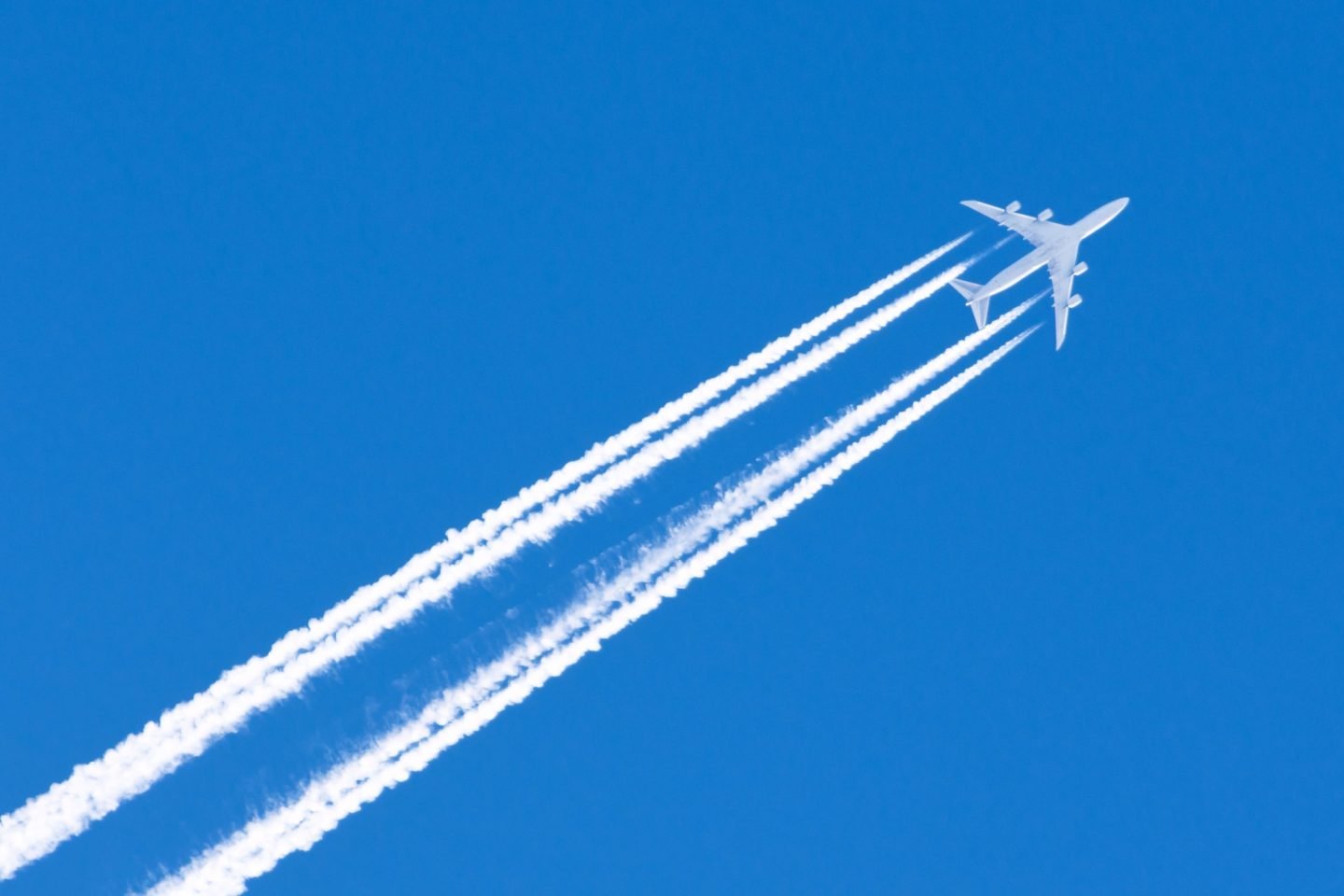
The amount of greenhouse gases emitted by one average plane flight can vary widely depending on factors such as the distance traveled, the type of aircraft, and the number of passengers on board. However, as a general estimate, a typical passenger flight emits approximately 0.9 kg (2 pounds) of carbon dioxide (CO2) per mile per passenger. This estimate includes not only CO2 emissions but also other greenhouse gases like methane and nitrous oxide, which are often converted into CO2-equivalent emissions for easier comparison.
To calculate the total emissions for a specific flight, you would need to know the distance traveled and the fuel efficiency of the aircraft being used. Different airlines and flight routes can have different emissions profiles, so it’s best to check with the airline or use online calculators provided by environmental organizations to get a more accurate estimate for a specific journey.
How to offset your flight’s emmissions
Next time you book a flight, ask them if you can pay to offset the emissions — some airlines have offsetting services. If yours doesn’t, search Google for a flight emisisons calculator and enter your flight distance. This will tell you how many pounds of greenhouse gases you will personally be responsible for.
Now you can pay a service to offset your emissions. Just search for “pay to offset my emissions”.
 Day 66
 Day 64